Legal Rights When Neighbor's Shed is Near Your Fence
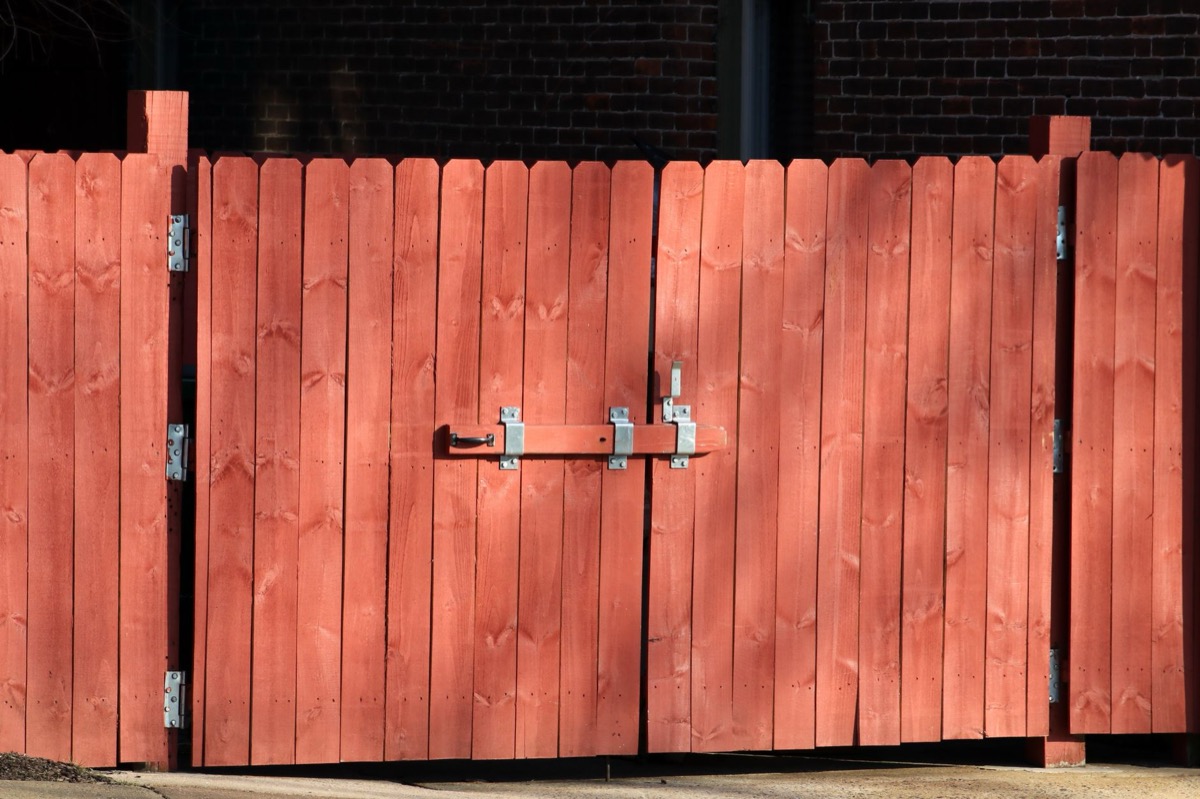
A recent article, "Your legal rights if neighbour’s shed is too close to your fence - MSN" via MSN, highlights a common homeowner concern: what to do when a neighbor's structure, like a shed, encroaches upon or is built too close to your property line and fence. Understanding your legal rights and local fence setback rules is crucial for maintaining property boundaries and good neighborly relations. This guide will help you navigate common issues, explain relevant regulations, and outline steps to address such situations effectively.
Understanding Fence Setback Rules and Local Ordinances
"Setback" refers to the minimum distance a structure must be from a property line. These rules are established by local zoning ordinances and vary significantly from one municipality to another. They exist to ensure adequate space for safety, accessibility, aesthetics, and to prevent overdevelopment that could impact property values or neighbor enjoyment. Sheds, like other accessory structures, are typically subject to these setback requirements.
- How to Find Local Rules: Your city or county planning department, zoning office, or building department is the best resource for specific setback requirements in your area. Many jurisdictions publish these ordinances online.
- Permits: Even small structures like sheds often require a building permit, which helps ensure compliance with local zoning and building codes, including setbacks. Building without a permit or not adhering to setbacks can lead to fines, forced removal, or difficulties when selling the property. You can learn more about these requirements on our Fence Permits, Setbacks, and HOAs page.
- Property Lines: A professional property survey is the most definitive way to establish official property boundaries. Deeds often describe boundaries, but a survey physically marks them.
Common Legal Rights and Neighborly Considerations
When a neighbor's shed appears too close to your fence, or even on your property, several legal aspects may come into play:
- Property Encroachment: If a structure crosses the actual property line, it's considered an encroachment. This is a direct violation of your property rights and can lead to significant legal disputes.
- Zoning Violations: Even if a shed is technically on your neighbor's property, if it violates local setback ordinances, it's a zoning violation. While not directly encroaching on your land, it impacts the community's planned development and can affect your property's light, views, or access.
- Adverse possession: State law may allow a long-running, unchallenged encroachment to affect title in rare cases — rules vary widely by state. Address boundary issues promptly and consult a local real-estate attorney if you are unsure.
- Easements: Less common for sheds, but sometimes utility easements or access easements can affect where structures can be built.
Before considering legal action, remember that maintaining good neighborly relations is often beneficial. Open communication can resolve many issues without formal disputes.
Steps to Resolve a Dispute
If you believe a neighbor's shed is too close to your fence or violates setback rules, follow these steps:
- Gather Information: Obtain a copy of your property survey and research local zoning ordinances regarding shed setbacks. Document the shed's location, dimensions, and proximity to the property line.
- Communicate with Your Neighbor: Approach your neighbor calmly and respectfully. Explain your concerns and present the factual information you've gathered (e.g., survey, ordinance details). They may be unaware of the rules or the exact property line. Keep a record of your conversations, including dates and what was discussed.
- Contact Local Authorities: If direct communication doesn't resolve the issue, or if your neighbor is uncooperative, contact your local planning or building department. They can confirm if a violation exists and initiate official proceedings if necessary.
- Consider Mediation: A neutral third-party mediator can help facilitate a discussion and reach a mutually agreeable solution without legal action. Many communities offer mediation services.
- Consult an Attorney: If all other avenues fail, or if the encroachment is significant, consult a real estate attorney. They can advise you on your legal rights, potential courses of action, and the implications of formal legal proceedings. Legal action is typically a last resort due to costs and the impact on neighborly relations.
Fence posts needed for a 100 ft run by post spacing
Key Takeaways
- Always check your local city or county planning department for specific fence and shed setback rules.
- A professional property survey is the most accurate way to define your property lines.
- Open and documented communication with your neighbor is often the first and most effective step in resolving disputes.
- Legal action should be considered only after exhausting all other options, including mediation.
- Understanding local permit requirements for any structure near property lines is crucial to prevent future issues.
Try It Yourself — Free
If you're planning a fence or assessing your property boundaries, our free fence calculator can help you estimate materials and costs for your project. You might also find our guide on Concrete per Fence Post useful.
Related Resources
- Chain Link Fence Calculator
- Concrete per Fence Post
- Concrete Slab Calculator Guide
- Deck Material Calculator Guide
- Complete Guide
More From Our Network
- Duct Size Calculator — same niche
- cyberfrad — our network