Pool Safety Fence Regulations & Building Requirements
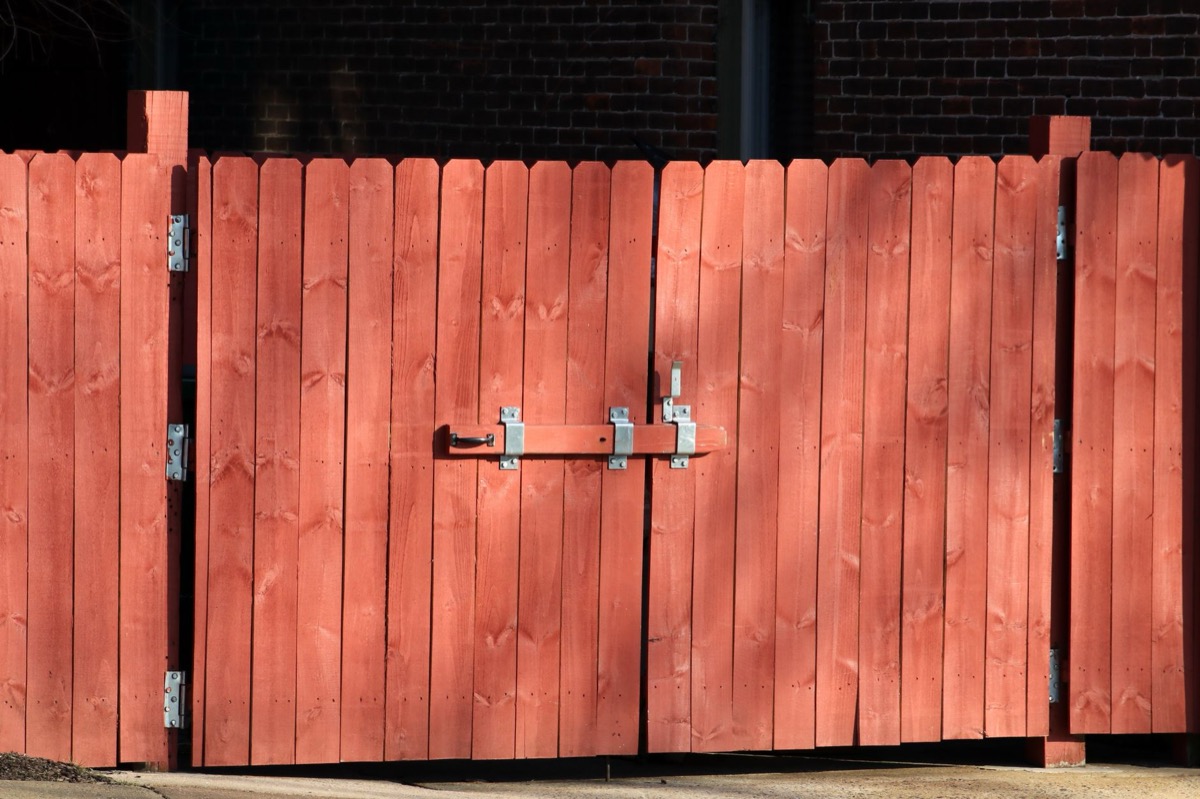
When it comes to pool safety, understanding local regulations is paramount. Recently, the Dewey board made headlines, as reported by the Cape Gazette, by denying an appeal while granting a request concerning a pool safety fence. This situation highlights a common reality: while safety is universal, the specific requirements and permit processes for pool barriers can vary significantly by jurisdiction.
Installing a pool safety fence is not just about keeping unwanted guests out; it's a critical measure to prevent accidental drownings, especially involving children. This guide outlines typical regulations, permit processes, and common standards to help you navigate building requirements, ensuring your pool area is compliant and secure.
The Critical Role of Pool Safety Fences
Pool fences serve as a vital layer of protection, acting as a barrier between children and the water. Drowning is a leading cause of unintentional injury death for children aged 1-4 years, with residential swimming pools being a common site for these incidents. Regulatory bodies like the U.S. Consumer Product Safety Commission (CPSC) provide guidelines for residential pool barriers, emphasizing their importance in saving lives.
These guidelines often recommend that fences:
- Be at least 48 inches (4 feet) high, per CPSC Publication 362.
- Have gaps that are too small for a child to squeeze through (no opening larger than 4 inches).
- Feature gates that are self-closing and self-latching, with the latch placed out of a child's reach.
- Be installed in a way that prevents children from climbing over or under them.
Remember, while federal guidelines exist, local jurisdictions often adopt and adapt these, sometimes adding stricter requirements.
Understanding Permit Processes and Local Jurisdictions
Before any fence construction begins, securing the necessary permits is a non-negotiable step. As highlighted by local board decisions like the one in Dewey, appealing or requesting variances for fencing projects is a common part of the process. Ignoring permit requirements can lead to fines, project delays, or even the ordered removal of your fence.
To navigate the permit process:
- Contact Your Local Building Department: This is your primary resource for specific local codes, permit applications, and required inspections. They can provide details on height restrictions, material specifications, and setback requirements for fences, including those for pools.
- Check Homeowners' Association (HOA) Rules: If applicable, your HOA may have additional architectural or aesthetic requirements that supersede or complement local ordinances. You can learn more about navigating these rules on our Fence Permits, Setbacks, & HOA page.
- Plan for Inspections: Most permits require inspections at various stages of construction to ensure compliance with approved plans and safety standards.
Common Pool Fence Building Requirements
While specific rules vary, several building requirements are common across many regions, often drawing from model codes like the International Residential Code (IRC).
- Height: CPSC Publication 362 recommends a minimum barrier height of 48 inches, while some jurisdictions that adopt the IRC require up to 60 inches—always confirm the height your local code enforces.
- Gate Safety: Per CPSC Publication 362, gates must open outwards, away from the pool, and be equipped with self-closing and self-latching devices. Latches should be positioned at least 54 inches above grade so they are out of a child's reach.
- Openings & Climbability: Two separate rules apply. First, no opening in the barrier may allow a 4-inch-diameter sphere to pass through (per CPSC Publication 362), so a child cannot squeeze between members. Second, to stop climbing, avoid horizontal members on the outside (non-pool) side that could serve as toe holds; where horizontal members are spaced less than 45 inches apart (making the barrier climbable), the spacing between vertical members must not exceed 1.75 inches. If you are planning a picket fence, use our Fence Picket Calculator to estimate your material needs.
- Clearance: The maximum clearance between the bottom of the fence and the ground should be no more than 4 inches per CPSC and IRC guidance, with some jurisdictions stricter at 2 inches, to prevent crawling under. Always confirm the figure your local code adopts.
- Materials: Pool fences can be made from various materials, including mesh, aluminum, vinyl, or wood. The choice often depends on aesthetics, durability, and cost. Explore options on our Fence Materials Compared page.
Temporary Pool Fences: When and How They Apply
The concept of a "temporary pool fence" often arises during pool construction, renovations, or for short-term events where a permanent barrier isn't yet in place or practical. It's crucial to understand that even temporary barriers are not exempt from safety standards.
While a temporary pool fence might be more portable or easier to install quickly, it generally must still adhere to the same stringent safety requirements as a permanent fence, including height, gate closure, and non-climbability. For instance, a temporary fence used during the construction phase of a new pool must still effectively prevent unsupervised access by children. Always verify with your local building department if temporary fencing is permitted in your specific situation and what standards it must meet.
Fence posts needed for a 100 ft run by post spacing
Key Takeaways
- Pool safety fences are critical for preventing accidental drownings, especially among young children.
- Always check with your local building department and HOA for specific pool fence permit requirements and building codes.
- Common safety standards include minimum fence heights set by CPSC or local IRC adoption, self-closing/latching gates, and non-climbable designs.
- Even temporary pool fences must meet stringent safety standards and are not a substitute for permanent compliance.
- Local board decisions can significantly impact pool fence projects, making appeals and variances a common part of the process.
Try It Yourself — Free
Planning your pool fence project? Our free fence calculator can help you estimate materials and costs, taking the guesswork out of your build. For specific needs like posts, check out our Fence Post Calculator.
Related Resources
- Chain Link Fence Calculator
- Concrete per Fence Post
- Concrete Slab Calculator Guide
- Deck Material Calculator Guide
- Complete Guide
More From Our Network
- Duct Size Calculator — same niche
- cyberfrad — our network
Sources
- Cape Gazette — Original report
- CPSC Publication 362 — Safety Barrier Guidelines for Residential Pools.
- International Code Council (ICC) — Model codes like the International Residential Code (IRC) are often adopted by local jurisdictions for building requirements.