Resolving New Fence Disputes with Neighbors
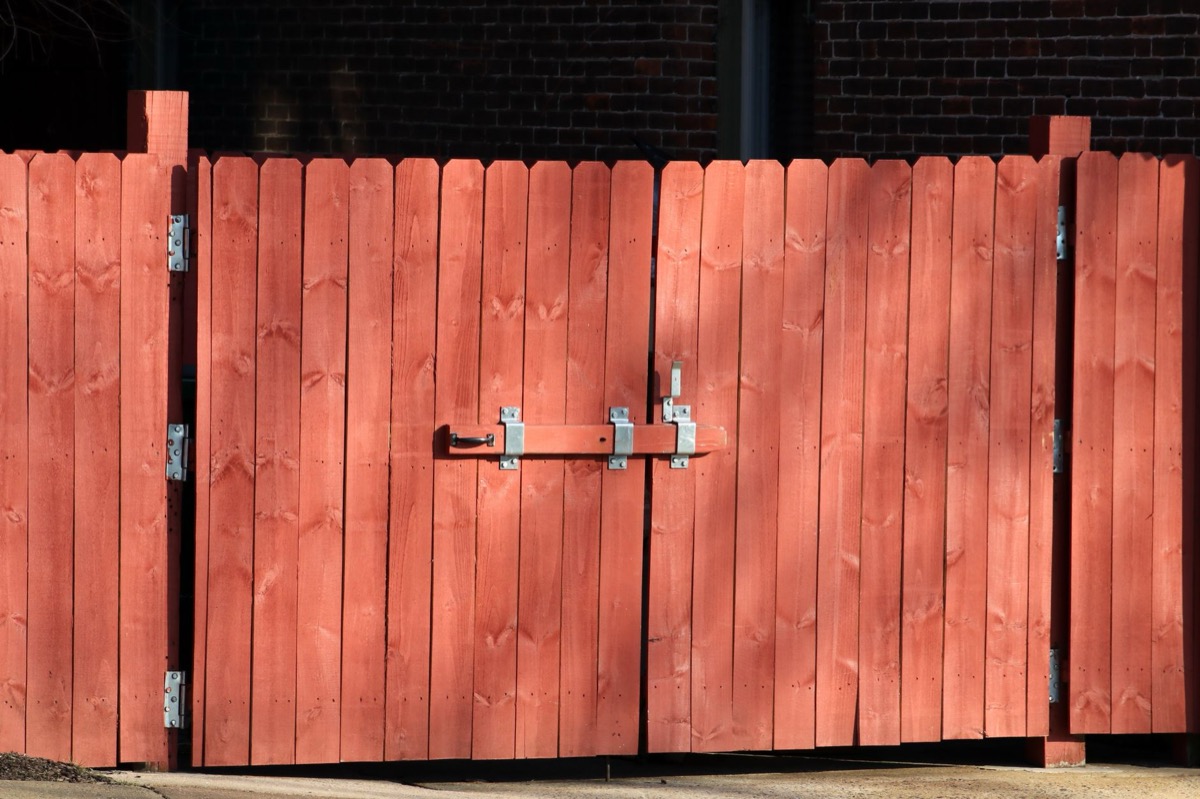
When the Australian Broadcasting Corporation recently reported on a dispute involving a former Victorian premier's new fence, it offered a relatable illustration of something homeowners everywhere recognize: even prominent people can end up at odds with a neighbor over a fence. Fence law itself varies widely by country, state, and town, so that story is useful only as a reminder of how easily fences become a source of friction — not as a guide to the rules where you live. This article focuses on U.S. homeowners and aims to help you prevent and resolve such disputes by understanding common causes, from differing expectations on shared costs and property lines to varying interpretations of local fence height regulations.
Understanding Local Fence Regulations and Permits
Before starting any fence project, it's crucial to investigate the specific rules that apply in your area. Fence regulations can vary significantly by municipality, county, and even by homeowner association (HOA) rules, often dictating acceptable materials, setbacks from property lines, and, critically, maximum fence height. Some areas may require a permit for any fence construction or for fences exceeding a certain height or type. Failing to comply can lead to fines or the costly requirement to remove and rebuild your fence. Always consult your local planning department or HOA for precise requirements, and remember that rules can differ even within the same state or region.
If you're unsure where to begin with local regulations, our guide on Fence Permits, Setbacks, and HOAs provides valuable insights to help you navigate these often complex requirements.
Establishing Property Lines and Shared Fence Ownership
Many fence disputes arise from misunderstandings about property lines — disagreements over where the boundary actually lies. Never assume you know the exact boundary; even slight discrepancies can lead to major conflicts.
- Get a Professional Survey: The most definitive way to confirm property lines is to hire a licensed surveyor. This investment can prevent costly legal battles down the road by providing an undeniable legal record of your property boundaries.
- Shared Fences and Costs: When a fence sits directly on the property line and benefits both neighbors, it's often considered a "partition fence" or "boundary fence." Laws regarding shared fence costs vary by jurisdiction, but common principles often suggest that neighbors who benefit from the fence should contribute to its construction and maintenance. However, this is rarely automatic and almost always requires mutual agreement.
Clearly defining the property line is the first step in discussing shared ownership and costs.
Proactive Communication and Written Agreements
The simplest, yet most effective, method to prevent fence disputes is open and early communication with your neighbors.
- Initiate Dialogue Early: Before planning or purchasing any materials, talk to your neighbors. Explain your plans, discuss the fence's purpose, proposed style, and any potential impacts.
- Discuss Costs and Contributions: If you expect your neighbor to contribute financially, discuss this openly. Be prepared for them to decline or negotiate. Clearly define who is responsible for what portion of the cost, installation, and future maintenance.
- Put it in Writing: Once you reach an agreement, no matter how minor, put it in writing. A signed agreement outlining the fence's specifications (height, materials, style), location, cost-sharing, and maintenance responsibilities can prevent future misunderstandings. This document serves as a valuable reference if questions arise later.
Establishing a clear, documented understanding can save both parties significant stress and expense.
Navigating and Resolving Existing Disputes
If a dispute has already arisen, remaining calm and seeking resolution through established channels is key.
- Review Agreements and Regulations: Refer back to any written agreements, local ordinances, and HOA rules. A clear understanding of these can often illuminate a path forward.
- Mediation: If direct communication fails, consider mediation. A neutral third party can facilitate discussion and help both neighbors find a mutually acceptable solution without resorting to legal action. Many communities offer free or low-cost mediation services.
- Legal Counsel as a Last Resort: If all other avenues are exhausted, consulting an attorney specializing in property law might be necessary. Legal action can be costly and time-consuming, so it should be considered a final option after exploring all other peaceful resolutions.
Remember, maintaining a positive neighborly relationship, even through disagreement, is always preferable.
Fence posts needed for a 100 ft run by post spacing
Key Takeaways
- Always check local fence height regulations, permits, and HOA rules before starting construction.
- Confirm property lines with a professional survey to prevent boundary disputes.
- Communicate openly and early with your neighbors about your fence plans.
- Get all agreements regarding fence height, costs, and maintenance in writing.
- Consider mediation for resolving disputes before pursuing legal action.
Try It Yourself — Free
Planning a new fence? Our free fence calculator can help you estimate materials and costs for your project, making it easier to plan and discuss with neighbors. For more specific calculations, check out our Fence Post Calculator.
Related Resources
- Chain Link Fence Calculator
- Concrete per Fence Post
- Concrete Slab Calculator Guide
- Deck Material Calculator Guide
- Complete Guide
More From Our Network
- Duct Size Calculator — same niche
- cyberfrad — our network
Sources
- Australian Broadcasting Corporation — Original report